
We're mainly in laminating aluminum foil with various plastic films.

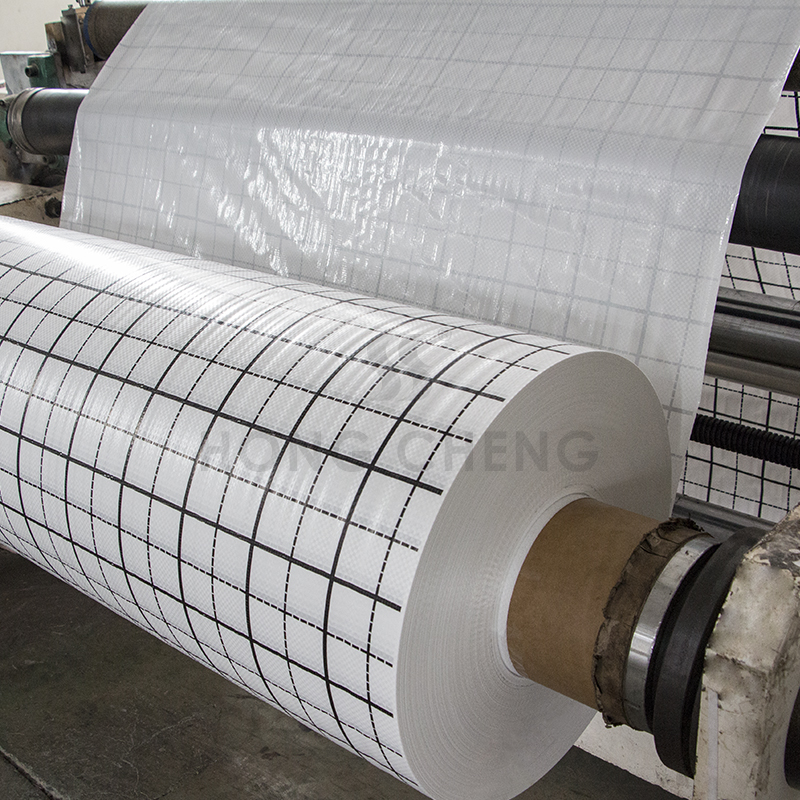
In the industrial, construction, and energy sectors, pipeline systems play an irreplaceable role in transporting fluids, gases, and other media, supporting the normal operation of various industries from petroleum and chemical engineering to building ventilation and HVAC systems. As a key auxiliary material for pipeline protection and insulation, pipeline aluminum foil is widely used due to its excellent performance in corrosion resistance, heat insulation, moisture prevention, and electromagnetic shielding. However, the thickness of pipeline aluminum foil directly affects its protection effect, service life, and cost-effectiveness. Choosing the right thickness specification is crucial to ensuring the stable operation of pipeline systems and avoiding unnecessary waste or potential risks. This article focuses on the common thickness specifications of pipeline aluminum foil, analyzes the key factors affecting selection, and provides practical guidance for correct selection, while also touching on industry trends and technological advancements related to pipeline aluminum foil.
To understand the common thickness specifications of pipeline aluminum foil, it is first necessary to clarify the classification criteria of aluminum foil thickness, as this lays the foundation for selecting the appropriate specification. Generally, aluminum foil can be divided into three categories based on thickness: heavy gauge foil, single zero foil, and double zero foil. Heavy gauge foil refers to aluminum foil with a thickness between 0.1mm and 0.2mm, single zero foil has a thickness between 0.01mm and 0.1mm, and double zero foil is thinner, with a thickness less than 0.01mm (usually between 0.005mm and 0.009mm). For pipeline applications, the thickness of aluminum foil is mainly determined by the pipeline’s use environment, transportation medium, and protection requirements, and the common specifications are concentrated in the range of 0.01mm to 0.2mm, covering single zero foil and heavy gauge foil, while double zero foil is rarely used due to its relatively low mechanical strength.
The most widely used thickness specifications of pipeline aluminum foil in industrial and construction scenarios can be divided into three main ranges, each adapted to different application scenarios and protection needs. The first range is 0.01mm to 0.03mm, which belongs to thin single zero foil. This specification of aluminum foil is lightweight, flexible, and cost-effective, mainly used for internal insulation and moisture prevention of ordinary indoor pipelines, such as HVAC ventilation ducts and small-diameter water supply pipelines. For example, aluminum foil air ducts, which are commonly used in fresh air systems, usually adopt aluminum foil with a thickness of 0.08mm to 0.2mm, but for the internal insulation layer of small-diameter ducts, thinner foil between 0.01mm and 0.03mm is often used to reduce weight and installation difficulty. This thickness of aluminum foil can effectively block moisture and heat transfer, while ensuring the flexibility of the pipeline, making it easy to bend and install in narrow spaces.
The second common thickness range is 0.03mm to 0.08mm, which is the most versatile specification of pipeline aluminum foil, suitable for most general-purpose pipeline protection scenarios. This thickness of aluminum foil balances flexibility and mechanical strength, and can be used for both indoor and outdoor pipelines, including medium-diameter water pipelines, industrial compressed air pipelines, and ordinary chemical pipelines. It is often used as an outer protective layer or intermediate insulation layer, combined with other materials such as glass fiber or plastic films to enhance corrosion resistance and heat insulation performance. For example, aluminum foil cloth used for the outer protective layer of heating and cooling equipment pipelines usually adopts this thickness range, playing a role in flame retardancy, corrosion prevention, and heat insulation. In addition, this thickness of aluminum foil is also suitable for pipeline systems that require a certain degree of electromagnetic shielding, such as pipelines in industrial workshops with complex electromagnetic environments.
The third common thickness range is 0.08mm to 0.2mm, which belongs to heavy gauge foil. This specification of aluminum foil has higher mechanical strength and corrosion resistance, mainly used for harsh environment pipeline protection, such as outdoor petroleum transmission pipelines, steam pipelines, and marine pipeline systems. These pipelines are often exposed to extreme weather, strong corrosion, and mechanical impact, so they require thicker aluminum foil to provide reliable protection. For example, outdoor petroleum transmission pipelines and chemical equipment pipelines use aluminum foil of this thickness as the outer protective layer, which can effectively resist ultraviolet radiation, rain erosion, and chemical medium corrosion, extending the service life of the pipeline. Aluminum foil insulation hoses used in high-pressure HVAC systems also often adopt this thickness range, as it can withstand higher air flow pressure and temperature changes, ensuring stable operation in harsh conditions. It should be noted that some special pipeline systems, such as submarine pipelines, may use thicker aluminum foil or composite aluminum foil structures to meet more stringent protection requirements.
In addition to the three main thickness ranges mentioned above, there are also some special thickness specifications of pipeline aluminum foil for specific scenarios. For example, composite aluminum foil, which is composed of a plastic film (such as PET) and a thin aluminum layer, has a total thickness of about 0.008mm (including a 0.002mm aluminum layer and a 0.006mm PET layer). Although this composite structure is thin, it has excellent performance in weight reduction and heat insulation, and is gradually being applied to lightweight pipeline systems, such as new energy equipment pipelines. However, due to its relatively high cost, it is not yet widely used in general pipeline scenarios. In addition, the thickness of pipeline aluminum foil also needs to be matched with its surface state—single-sided bright aluminum foil, which is usually no more than 0.025mm thick, is suitable for indoor pipelines, while double-sided bright aluminum foil, which is generally not less than 0.01mm thick, is more suitable for outdoor pipelines that require better corrosion resistance.
Understanding the common thickness specifications is only the first step; the key is to select the correct thickness according to actual needs. The selection of pipeline aluminum foil thickness should comprehensively consider five core factors: pipeline use environment, transportation medium, pipeline diameter, service life requirements, and cost budget. These factors are interrelated and jointly determine the most suitable thickness specification, ensuring that the aluminum foil can play its protective role while avoiding over-specification or under-specification.
The first key factor is the pipeline use environment, which is the most important basis for selecting aluminum foil thickness. Indoor and outdoor environments have significant differences in factors such as temperature, humidity, and corrosion intensity, which directly affect the performance requirements of aluminum foil. Indoor pipelines, such as HVAC ducts and indoor water supply pipelines, are in a relatively stable environment with little temperature change and no direct exposure to wind, rain, or ultraviolet radiation. Therefore, thinner aluminum foil (0.01mm to 0.03mm) can meet the needs of moisture prevention and insulation. For example, aluminum foil used in indoor ventilation ducts only needs to block indoor moisture and reduce heat loss, so a thin specification is sufficient. In contrast, outdoor pipelines are exposed to harsh natural environments, including high temperature, heavy rain, strong wind, and ultraviolet radiation, and may also be affected by soil corrosion (for underground pipelines) or marine corrosion (for coastal pipelines). Therefore, thicker aluminum foil (0.08mm to 0.2mm) is required to resist these external damages and ensure long-term stable operation.
The second factor is the transportation medium of the pipeline. The properties of the medium transported by the pipeline, such as corrosiveness, temperature, and pressure, directly affect the corrosion resistance and heat resistance requirements of the aluminum foil. For pipelines transporting corrosive media, such as chemical raw materials and seawater, aluminum foil with higher thickness (0.08mm to 0.2mm) and good corrosion resistance is required to prevent the medium from penetrating and corroding the pipeline. For example, submarine pipelines transporting seawater rely on thick aluminum foil layers to prevent water penetration and conductor corrosion, avoiding short circuits or system failures. For pipelines transporting high-temperature media, such as steam pipelines, thicker aluminum foil is also needed to enhance heat insulation performance and prevent heat loss, while withstanding high-temperature aging. In contrast, pipelines transporting non-corrosive, normal-temperature media, such as ordinary tap water, can use thinner aluminum foil (0.03mm to 0.08mm) to reduce costs.
The third factor is the pipeline diameter. The diameter of the pipeline affects the mechanical stress on the aluminum foil during installation and operation, thereby affecting the selection of thickness. Large-diameter pipelines (such as petroleum transmission pipelines with a diameter of more than 1 meter) have a larger surface area and are more likely to be affected by external mechanical impact and pressure. Therefore, thicker aluminum foil (0.08mm to 0.2mm) is required to provide sufficient mechanical protection and prevent tearing or damage during installation and use. Small-diameter pipelines (such as indoor ventilation ducts with a diameter of less than 0.2 meters) have smaller surface area and less mechanical stress, so thinner aluminum foil (0.01mm to 0.03mm) can be used, which is more flexible and easier to install around corners or in narrow spaces. Medium-diameter pipelines, which are widely used in industrial and construction scenarios, usually adopt aluminum foil with a thickness of 0.03mm to 0.08mm, which balances protection performance and installation convenience.
The fourth factor is the service life requirement. Different pipeline systems have different service life expectations, which also affect the selection of aluminum foil thickness. Pipelines that need to be used for a long time (more than 15 years), such as industrial production pipelines and urban infrastructure pipelines, require aluminum foil with higher thickness and better durability to ensure that it can maintain good protection performance for a long time. Thicker aluminum foil (0.08mm to 0.2mm) has better resistance to aging and corrosion, and can effectively extend the service life of the pipeline. In contrast, temporary pipelines or pipelines with a short service life (less than 5 years), such as construction site temporary water supply pipelines, can use thinner aluminum foil (0.01mm to 0.03mm) to reduce costs, as their service life requirements do not require high durability.
The fifth factor is the cost budget. While ensuring the protection effect, it is also necessary to consider the cost of aluminum foil, so as to achieve cost-effectiveness. Thicker aluminum foil has better performance but higher cost, while thinner aluminum foil is more cost-effective but has limited protection performance. Therefore, in the selection process, it is necessary to balance performance and cost, and avoid blind pursuit of thick specifications or excessive cost saving by choosing too thin specifications. For example, in general indoor pipeline projects with limited budget, aluminum foil with a thickness of 0.03mm to 0.08mm can be selected, which can meet the basic protection needs while controlling costs. For key pipeline projects with high requirements for safety and service life, such as petroleum and chemical pipelines, it is necessary to choose thicker aluminum foil (0.08mm to 0.2mm) even if the cost is higher, to ensure the stable operation of the pipeline system.
In addition to the above five core factors, there are also some auxiliary factors that need to be considered when selecting pipeline aluminum foil thickness, such as the type of aluminum alloy and the composite structure. Most pipeline aluminum foils are made of high-purity aluminum alloys, such as 1xxx series (1050, 1060, 1100) or 8xxx series (8011), which have excellent conductivity, formability, and corrosion resistance. The performance of different aluminum alloys is slightly different, and the thickness selection also needs to be matched with the alloy type. For example, 1xxx series aluminum foil has better corrosion resistance and is suitable for outdoor corrosive environments, so it can be selected with a slightly thinner thickness under the same protection requirements; 8xxx series aluminum foil has higher mechanical strength and is suitable for pipelines that need to withstand mechanical impact, so it can be selected with a moderate thickness.
With the continuous development of the industrial and construction industries, the demand for high-performance pipeline aluminum foil is growing, and the thickness specifications and selection standards are also constantly optimizing. In recent years, with the promotion of energy conservation and environmental protection policies, lightweight and high-efficiency composite aluminum foil has become a new industry trend. For example, 0.008mm composite aluminum foil (6μm PET + 2μm aluminum layer) can achieve 64% weight reduction compared with traditional 0.012mm aluminum foil, and has better heat insulation performance, which is gradually being applied to energy-saving pipeline systems. Although the cost of composite aluminum foil is currently 5 times that of traditional aluminum foil, its market scale is growing rapidly—China’s composite aluminum foil market scale is expected to reach 190.09 billion yuan in 2025, showing broad application prospects.
Industry data shows that the global pipeline aluminum foil market is expected to grow steadily in the coming years, driven by the acceleration of infrastructure construction and the upgrading of pipeline systems. As a major producer and consumer of aluminum foil, China’s aluminum foil output reached 5.4 million tons in 2024, and a considerable part of it is used in pipeline protection applications. With the shift of the aluminum foil industry from traditional packaging to high-end industrial applications, the thickness specifications of pipeline aluminum foil are becoming more refined, and the selection standards are becoming more scientific, which will further promote the development of the pipeline protection industry.
It should be noted that the selection of pipeline aluminum foil thickness is not a single factor decision, but a comprehensive balance of multiple factors. In actual projects, it is recommended to conduct on-site investigations, understand the specific use environment, transportation medium, and service life requirements of the pipeline, and consult professional technical personnel to select the most suitable thickness specification. At the same time, attention should be paid to the quality of aluminum foil—high-quality aluminum foil has uniform thickness, good surface flatness, and stable performance, which can better play a protective role. Inferior aluminum foil with uneven thickness or poor material quality may lead to premature damage, affecting the service life of the pipeline and even causing safety hazards.
In conclusion, the common thickness specifications of pipeline aluminum foil are mainly concentrated in three ranges: 0.01mm to 0.03mm, 0.03mm to 0.08mm, and 0.08mm to 0.2mm, each adapted to different application scenarios. The correct selection of pipeline aluminum foil thickness needs to comprehensively consider the pipeline use environment, transportation medium, pipeline diameter, service life requirements, and cost budget, while combining the type of aluminum alloy and composite structure to achieve the balance between protection performance and cost-effectiveness. As the industry continues to advance, pipeline aluminum foil will continue to develop in the direction of lightweight, high efficiency, and refinement, providing more reliable protection for the stable operation of pipeline systems in various industries.
Whether in industrial production, urban construction, or energy transportation, pipeline aluminum foil, as a key protective material, plays a quiet yet vital role. Its thickness specification selection is directly related to the safety, stability, and economy of pipeline systems, and it is worthy of attention and careful consideration in every pipeline project.


Hangzhou Hongcheng Technology Co., Ltd. sitemap
Este sitio web utiliza cookies para garantizar que obtenga la mejor experiencia en nuestro sitio web.






Comentario
(0)